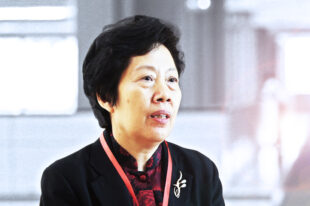
Since her appointment as Auditor General of the National Audit Office of China (CNAO), Ms. Hu Zejun has often used the phrase, “Standing higher,” a metaphor that auditors should stand higher to better understand the overall situation and development trends—to get a better grasp of the bigger picture…
Small islands like Malta are particularly vulnerable to climate change hazards. In October 2019, the Maltese Parliament had unanimously declared a climate emergency, stressing the need to take new measures to address this environmental phenomenon.
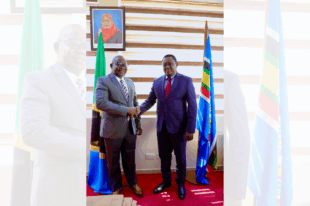
Tanzania is one of the East African countries vested with stunning landscapes, rich culture, and iconic tourist attractions. Tanzania’s economy is classified as lower-middle-income, with a Gross Domestic Product (GDP) of around $75 billion US dollars. The economy is diverse, with agriculture, mining, and tourism being key contributors. In recent years, Tanzania has made significant strides in infrastructure development, energy production, and social services, which have collectively bolstered economic growth. Despite these advancements, the country continues to grapple with challenges related to corruption and financial crimes. The government has intensified efforts in combating these issues, corruption remains a significant impediment to development and poverty reduction. The country’s ranking on international anti-corruption indexes reflects ongoing challenges, with Transparency International placing Tanzania at 94th out of 180 countries in its Corruption Perceptions Index (CPI) for 2023.